

When you see a package labeled uncured meat, it may spark questions. Does uncured mean it’s raw? Or free of preservatives?
Many people assume “uncured” is synonymous with fresh, untouched meat—but that’s not the case.
Uncured meat is preserved using natural methods, not synthetic chemicals, giving health-conscious consumers an alternative to traditionally cured meats.
In this article, we’ll explore everything about uncured meats, including preservation methods, differences from cured meat, safety concerns, labeling regulations, popular products, and why many consumers are switching to natural preservatives.
Understanding the Difference Between Cured and Uncured Meats
What Is Cured Meat?
Cured meat has a long history. From classic bacon to ham, pastrami, and corned beef, curing has been a preservation technique for centuries.
Traditionally, meats were cured using synthetic nitrates or nitrites, such as sodium nitrite or sodium nitrate.
Why cure meat?
- Preservation: Prevents bacterial growth, especially Clostridium botulinum, which causes botulism.
- Shelf-life extension: Allows meats to last longer at room or refrigerated temperatures.
- Color and flavor enhancement: Gives cured meats their characteristic pink or red hue and savory taste.
Table: Cured vs Uncured Meat Comparison
| Feature | Cured Meat | Uncured Meat |
| Preservatives | Synthetic nitrates/nitrites | Plant-based nitrates (celery powder, beet juice, cherry powder) |
| Shelf Life | Longer | Shorter, needs careful refrigeration |
| Color | Pink/red hue | Slightly pale or natural red |
| Flavor | Savory, smoky | Savory, natural |
| USDA Label | “Cured” | “Uncured” |
What Is Uncured Meat?
Uncured meat is not free of preservatives—it simply avoids synthetic nitrates or nitrites.
Instead, natural sources like celery powder, beet juice, or cherry powder provide nitrates that convert into nitrites during the curing process.
This natural preservation method allows meat to retain flavor and color without added chemical agents.
The USDA permits “uncured” labeling when meat is preserved solely with natural preservatives, even though it undergoes a curing process.
Key points:
- Common uncured meats: Bacon, ham, lunch meat, deli meat.
- Retains natural flavor and texture, often described as “clean” or “organic.”
- Appeals to health-conscious consumers who prefer ingredient transparency.
Preservation Methods in Uncured Meat
Natural Nitrates and Nitrites
Unlike cured meat, uncured options rely on plant-based nitrates.
Vegetables like celery and beets contain nitrates, which convert naturally into nitrites during processing.
How it works:
- Nitrate (from celery powder or beet juice) is added to meat.
- Naturally occurring bacteria convert nitrates into nitrites.
- Nitrites prevent harmful bacterial growth and maintain color.
This method avoids synthetic nitrites, but still provides protection against Clostridium botulinum, ensuring food safety.
Alternative Natural Preservatives
Salt and sugar remain key in uncured meat preservation. Smoking also plays a role in flavor enhancement and microbial inhibition.
Common natural methods:
- Sea salt: Draws out moisture and slows bacterial growth.
- Sugar: Provides subtle sweetness and aids preservation.
- Smoking: Imparts a smoky flavor while inhibiting spoilage.
These methods make uncured meat safe, tasty, and shelf-stable for shorter periods.
Shelf Life Differences
Uncured meats generally have a shorter shelf life than cured meats. Proper refrigeration is essential.
Guidelines:
- Store uncured bacon or ham at ≤ 40°F (4°C).
- Consume within 7–10 days after opening.
- Freeze for longer storage, ideally in vacuum-sealed packaging.
USDA Guidelines and Regulations
The U.S. Department of Agriculture (USDA) enforces strict standards for labeling uncured meats.
- Labels must clearly state “No Nitrates or Nitrites Added Except Those Naturally Occurring in Celery Powder or Juice”.
- Ingredient transparency is mandatory to protect consumers.
- Inspection ensures food safety and reduces botulism risk.
Safety Considerations
Despite natural preservation, uncured meat must be handled safely:
- Keep refrigerated or frozen.
- Avoid leaving uncured meats at room temperature for extended periods.
- Wash hands and utensils after handling raw meats.
These steps minimize risk from Clostridium botulinum and other pathogens.
Chemical vs Natural Preservatives
Synthetic Nitrates and Nitrites
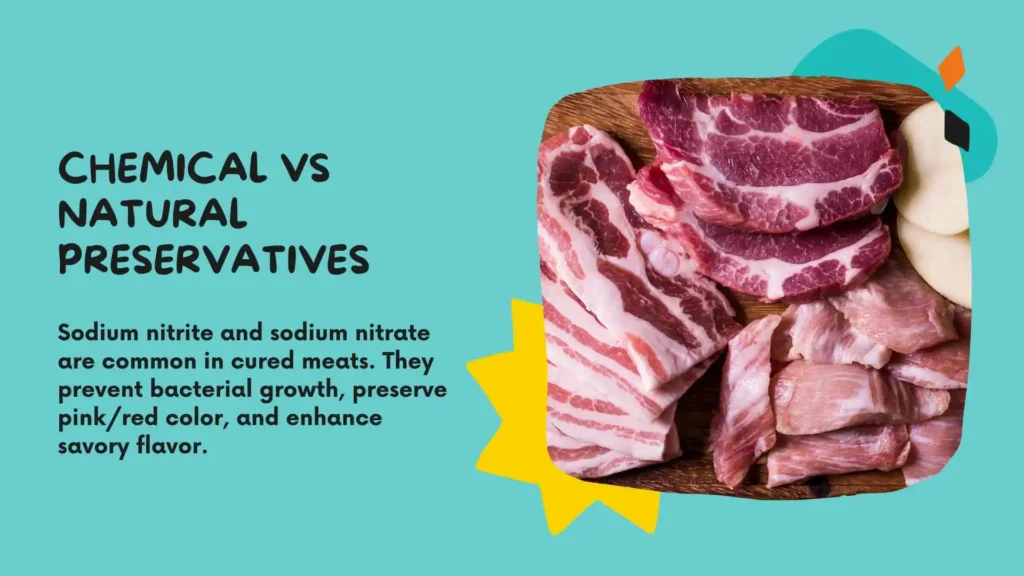
Sodium nitrite and sodium nitrate are common in cured meats. They prevent bacterial growth, preserve pink/red color, and enhance savory flavor.
Health concerns: Some studies link synthetic nitrites to increased cancer risk when consumed in large amounts. That’s one reason uncured meats are gaining popularity among health-conscious consumers.
Plant-Based Nitrates
Celery powder, beet juice, and cherry powder provide natural nitrates for uncured meat.
These nitrates convert to nitrites during processing and effectively preserve meat without synthetic additives.
Advantages:
- Maintain natural flavor.
- Retain rich texture and pink/red hue.
- Offer a clean ingredient list preferred by organic and health-focused buyers.
Flavor and Texture Differences
Uncured meats often taste slightly different from cured options:
- Less intense smoky flavor, but still savory.
- Color may appear less vibrant.
- Texture tends to be slightly softer, which some consumers prefer.
Tip: Cooking uncured bacon at moderate heat prevents excessive dryness.
Nutritional and Health Perspective
Uncured meat offers:
- Lower exposure to synthetic chemicals.
- Clean-label options suitable for organic diets.
- Alignment with dietary priorities, such as low chemical intake or paleo/keto diets.
Ingredient Transparency
Transparency is a major selling point.
Brands like Wellshire highlight natural preservation methods, giving consumers confidence in their purchase.
Popular Uncured Meat Products
Bacon
- Uncured bacon is often labeled “no nitrates or nitrites added”.
- Preserved with celery powder, beet juice, and sea salt.
- Offers slightly milder flavor and softer texture.
Ham
- Holiday hams are often sold uncured to appeal to health-conscious buyers.
- Natural preservation methods maintain pink color and savory taste.
- Must be refrigerated and consumed within 7–10 days.
Deli and Lunch Meats
- Uncured pastrami and corned beef are available in natural variants.
- Natural preservation ensures safety while avoiding synthetic chemicals.
- Perfect for sandwiches and salads with minimal additives.
Specialty Items
- Organic meats, artisanal products, and clean-label options often come uncured.
- Uses plant-based nitrates, sea salt, and smoking techniques.
- Appeals to consumers prioritizing health and ingredient transparency.
Cooking and Serving Tips
- Slice uncured meats thin for sandwiches.
- Pair with mustard, salads, or fresh vegetables.
- Cook gently to retain flavor and moisture.
- Use in recipes as you would cured meats—taste may be slightly milder.
Health Implications and Consumer Choices
Understanding Risks of Synthetic Preservatives
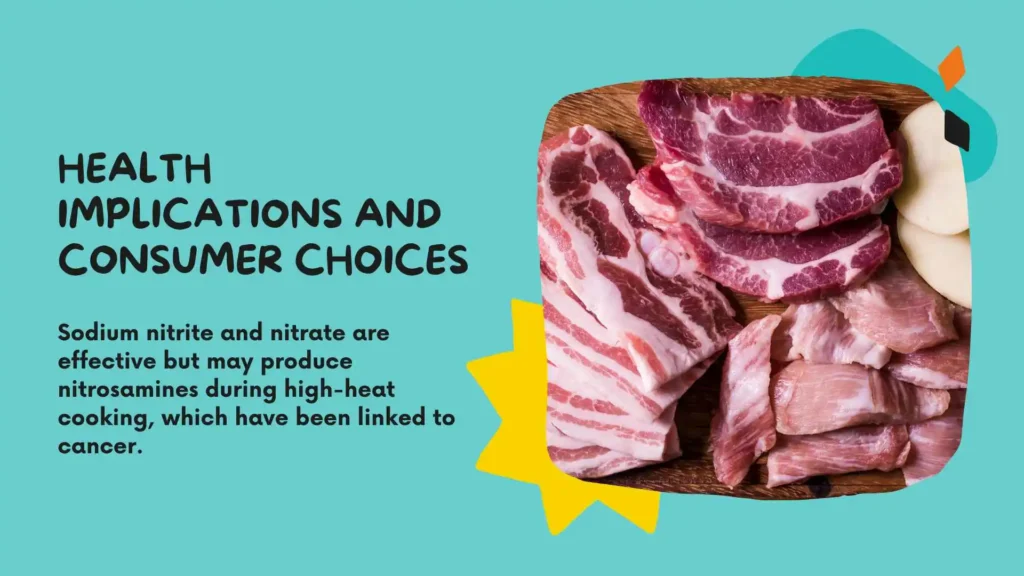
- Sodium nitrite and nitrate are effective but may produce nitrosamines during high-heat cooking, which have been linked to cancer.
- Processed meats with synthetic additives are under scrutiny by health organizations.
Benefits of Uncured Meats
- Avoid synthetic chemicals.
- Maintain natural flavor and texture.
- Provide a cleaner, healthier alternative for daily consumption.
Dietary and Lifestyle Considerations
- Perfect for organic, paleo, keto, or low-chemical diets.
- Supports dietary priorities: less exposure to synthetic preservatives, more natural ingredients.
Reading Labels Effectively
Look for:
- “No Nitrates or Nitrites Added Except Those Naturally Occurring in Celery Powder or Juice.”
- Ingredients list highlighting plant-based nitrates, sea salt, and natural preservatives.
- USDA inspection mark for safety assurance.
Making Informed Choices
Consumers must weigh:
- Flavor preferences vs chemical exposure.
- Shelf life vs natural preservation methods.
- Organic and health priorities vs traditional cured options.
Key Takeaways for Consumers
- Uncured meat avoids synthetic preservatives but still uses natural methods to stay safe.
- Key sources: celery powder, beet juice, cherry powder, sea salt.
- Shorter shelf life requires proper refrigeration.
- Offers clean flavor, savory texture, and health-conscious appeal.
- Reading labels is essential to identify truly uncured meat.
- Ideal for organic, paleo, keto, or low-chemical diets.
- Consumers can enjoy traditional favorites like bacon, ham, pastrami, and deli meats without synthetic chemicals.
Quote:
“Choosing uncured meat is not just a preference; it’s a conscious decision to eat naturally and responsibly while still enjoying the flavors you love.” – USDA Meat Safety Guidelines.
Conclusion
Uncured meat offers a natural alternative to traditionally cured meats by using plant-based nitrates and natural preservatives like celery powder, beet juice, and sea salt.
While it has a shorter shelf life, proper storage ensures safety and quality.
Choosing uncured meats provides a cleaner flavor, savory texture, and reduced exposure to synthetic chemicals, making it ideal for health-conscious consumers and those seeking ingredient transparency.
By reading labels carefully and understanding USDA guidelines, you can enjoy favorites like bacon, ham, and deli meats safely and naturally.
Ultimately, uncured meats allow you to balance taste, health, and dietary priorities without compromise.
