

Understanding the meaning of humility can transform how you see yourself, others, and even your faith.
Many people assume it means weakness or low self-esteem. In reality, the concept runs much deeper.
Across history, philosophy, and theology, it has been viewed as a powerful virtue.
In Christianity especially, biblical it stands at the center of spiritual growth. It shapes character, relationships, leadership, and the way believers approach God.
At its core, Christian it is about an inward posture of the heart that leads to an outward expression of humility.
It involves recognizing your limitations while honoring the value of others. It also reflects trust in God rather than self-promotion.
Throughout humility in the Bible, the virtue appears repeatedly.
Prophets, kings, apostles, and ordinary believers demonstrate humble attitudes through obedience, service, and sacrifice.
This guide explores:
- The true definition of humility
- Biblical humility in the Old and New Testament
- Hebrew and Greek words used for humility
- The example of Jesus Christ
- The relationship between humility and poverty
- Practical ways humility shapes Christian life today
By the end, you’ll have a clear and practical understanding of this virtue and why it remains essential for personal growth and spiritual maturity.
The True Definition of Humility
What Humility Actually Means
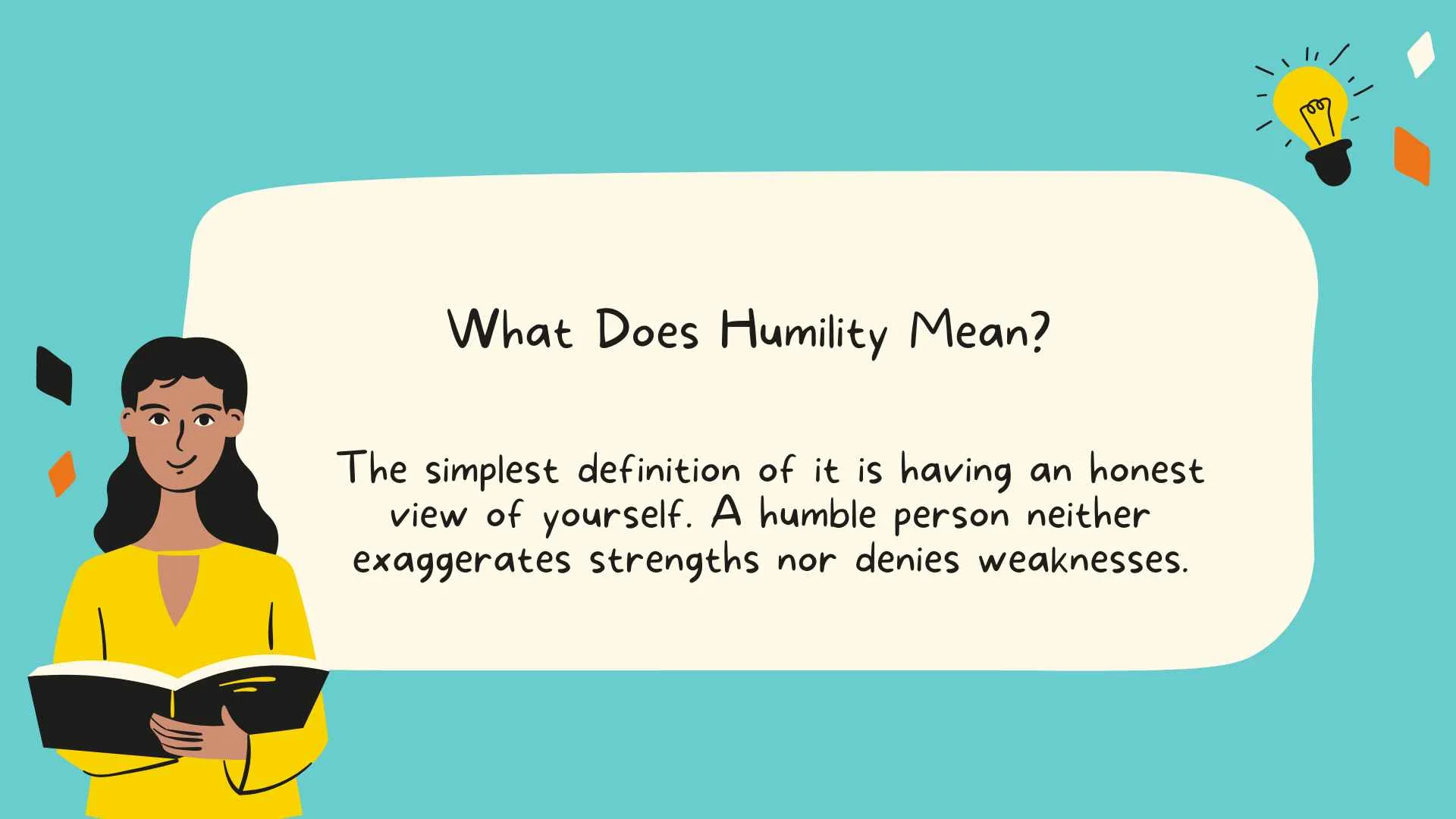
The simplest definition of it is having an honest view of yourself. A humble person neither exaggerates strengths nor denies weaknesses.
Instead, it allows someone to understand their abilities while remaining teachable.
In Christian theology, the biblical definition of it includes three core ideas:
- Recognizing dependence on God
- Valuing others above personal status
- Living with gratitude rather than pride
Many scholars describe it as accurate self-awareness. You see yourself clearly. You accept both strengths and flaws without arrogance or shame.
This concept appears frequently in Christian virtues lists.
Among virtues like faith, love, and patience, the virtue of it forms the foundation. Without it , other virtues often collapse into pride or self-promotion.
Consider this well-known insight from C. S. Lewis:
“It is not thinking less of yourself. It is thinking of yourself less.”
That short statement captures the heart of humility and self-forgetfulness.
Humble people focus on service, relationships, and purpose rather than constant self-evaluation.
The Difference Between Humility and Pride
Understanding it vs pride reveals why humility matters so much in both ethics and faith.
Pride centers on self-importance. Humility centers on truth.
| Trait | Humility | Pride |
| Self-view | Honest and balanced | Inflated or defensive |
| Attitude toward others | Respectful and compassionate | Competitive or dismissive |
| Leadership style | Servant leadership | Authoritarian control |
| Spiritual posture | Dependence on God | Self-reliance |
Pride often leads to spiritual pride, which scripture repeatedly warns against. Pride damages relationships, blinds people to mistakes, and disrupts communities.
It works differently. It builds trust, encourages cooperation, and supports healthy leadership.
That’s why humility as a virtue appears in nearly every moral tradition.
Inward Humility vs Outward Humility
Another key distinction involves inward humility and outward humility.
True humility begins internally. It starts with the posture of the heart. From there, it influences behavior.
Inward Humility
This includes:
- Self-awareness
- Gratitude
- Trust in God
- Freedom from arrogance
Outward Humility
This includes visible behaviors such as:
- Listening carefully
- Serving others
- Admitting mistakes
- Giving credit to others
When the inward attitude is healthy, the outward expression naturally follows.
Humility in the Bible (Old Testament and New Testament)
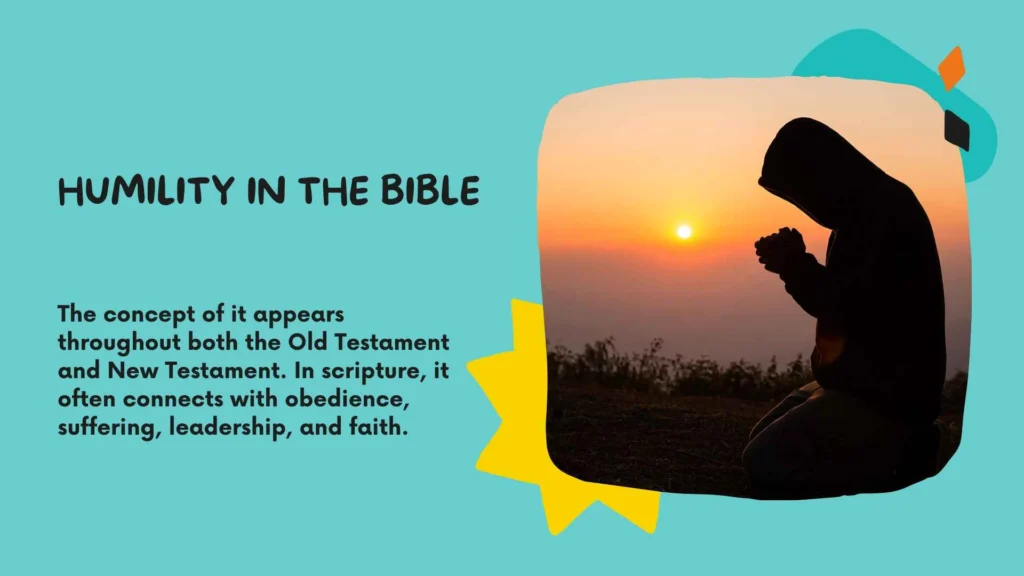
The concept of it appears throughout both the Old Testament and New Testament. In scripture, it often connects with obedience, suffering, leadership, and faith.
Humility in the Old Testament
Many stories reveal humble circumstances.
One famous example involves Moses in the Book of Exodus. The Bible describes Moses as “very humble, more than any man on the face of the earth.”
Moses demonstrated humility in several ways:
- He doubted his own ability to lead Israel
- He relied heavily on God’s guidance
- He defended others rather than seeking honor
The theme also appears in the Book of Psalms, where God supports the humble and resists the proud.
Another important theme appears in Deuteronomy. Here humility relates to obedience. God’s people must remember their dependence on divine provision rather than wealth or power.
Old Testament humility therefore includes:
- Dependence on God
- Recognition of limitations
- Faithfulness during hardship
Humility in the New Testament
The New Testament deepens the concept of it in Christian life.
In the Epistle to the Romans, Paul the Apostle urges believers to avoid pride and treat others with respect.
Another powerful passage appears in the Epistle to the Philippians, where Christians are encouraged to imitate the humility of Christ.
Key themes include:
- Humility and discipleship
- Humility and service
- Humility and obedience
The teachings of Jesus Christ reinforce this idea. In the Gospel of Matthew, Jesus praises the humble and warns against religious pride.
Humility becomes essential for entering the kingdom of God.
Hebrew and Greek Words That Define Humility in Scripture
Understanding humility in scripture requires examining the original languages.
Scripture was written primarily in Hebrew and Greek. Each language contains words that reveal deeper meaning.
Hebrew Words for Humility
| Hebrew Word | Meaning | Biblical Idea |
| ani | poor, afflicted | humility connected to poverty |
| kana | submission | humility before God |
| shahah | bow down | reverence and worship |
These words show how humility and poverty sometimes overlap in biblical language.
In ancient societies, the people with low-income depended heavily on God for survival.
Greek Word for Humility
In the New Testament, the Greek word tapeinos describes humility.
It carries meanings such as:
- lowly
- modest
- humble in spirit
The word appears in teachings about servant leadership, sacrifice, and discipleship.
The Life of Jesus as the Greatest Example of Humility
Among all biblical examples, the life of Jesus Christ represents the clearest picture of humility.
Christlike Humility
Jesus consistently displayed humility through actions such as:
- Washing the feet of his disciples
- Spending time with the poor
- Rejecting political power
- Serving rather than ruling
These actions reveal the true connection between humility and service.
Philippians 2 and the Model of Christ
One of the most famous passages describing humility appears in Philippians 2.
The passage explains how Jesus left heavenly glory to live among humanity.
Key characteristics include:
- Obedience to God
- Willingness to sacrifice
- Compassion toward others
- Service instead of authority
This passage forms the foundation for imitation of Christ in Christian theology.
The Social Dimension of Humility in Scripture

Biblical humility also shapes social relationships and community life.
Humility and Poverty
Scripture often connects humility with poverty.
Many humble figures come from disadvantaged backgrounds. Their circumstances encourage dependence on God rather than wealth.
Examples appear in:
- Psalms
- Numbers
In these passages, God defends the humble while confronting powerful oppressors.
Humility and Servant Leadership
Another important concept is humility in leadership.
Characteristics of humble leaders include:
- Listening carefully
- Valuing team members
- Accepting correction
- Leading through example
This approach produces stronger communities.
Why Humility Matters in Christian Life Today
Humility shapes everyday spiritual practices and relationships.
Humility in Spiritual Formation
Spiritual formation is the process of becoming more like Christ.
Areas influenced by humility include:
- Prayer
- Worship
- Confession
- Learning from scripture
Without humility, spiritual growth often stops.
Practicing Humility in Daily Life
You can develop humility through simple habits:
- Listen more than you speak
- Admit mistakes quickly
- Appreciate other people’s strengths
- Serve without expecting recognition
Over time, these behaviors build strong character.
Summary: The Real Meaning of Humility
Humility involves far more than polite behavior. It reflects a deep internal attitude that shapes actions, relationships, and spiritual life.
The biblical meaning of humility includes:
- An inward posture before God
- Respect toward others
- Freedom from pride and arrogance
- A willingness to serve
Throughout scripture, humble people trust God, care for others, and grow in wisdom.
In modern life, humility remains one of the most powerful character traits. It strengthens relationships, improves leadership, and supports personal growth.
Ultimately, humility reflects the character of Jesus Christ and stands at the heart of authentic Christian living.
Conclusion
Humility means having an honest and balanced view of yourself while valuing others and depending on God.
In the Bible, it appears as a key virtue shown through obedience, service, and trust in God. The life of Jesus Christ provides the greatest example of true humility.
By practicing humility in daily life; through listening, serving, and learning; believers grow in character, strengthen relationships, and deepen their faith.

Jianna is a creative writer who believes that words have the power to heal, inspire, and transform. At Quoteliy.com, she shares beautiful quotes about love, life, and self-discovery — each crafted to uplift hearts and spark reflection. Her writing style blends emotion with wisdom, leaving readers feeling understood and inspired.